
A board member asks you, six months after you awarded a $15M contract: “Why did we choose Supplier B over Supplier A?” You open the Excel evaluation. There are scores, weights and a ranking.
But the logic behind them, why quality scored a 7, who decided delivery should carry 20%, what an “8 for innovation” actually meant, is gone. The analyst who built it left two months ago. Suddenly your objective evaluation looks like guesswork with formulas on top.
This is the real failure point for AI supplier evaluation in 2026. Most teams ask AI to make evaluation faster. The harder, more valuable question is whether the decision can be explained and defended when it is challenged. Speed is useful, but speed without structure is not governance. This article covers why faster is the wrong goal, the hidden audit risks built into traditional scoring, and the four pillars that make a GenAI evaluation model survive scrutiny.
Key takeaways
- Faster supplier evaluation is the wrong ambition; speed without explainability just shifts risk to audit, legal and finance.
- Traditional scorecards create false objectivity, ESG blind spots and no decision memory, so awards can’t be defended later.
- GenAI’s real value is turning scoring into a documented, defensible decision narrative, not just automating the score.
- An audit-proof model rests on four pillars: data lineage, contextual weighting, decision-rationale capture and replayability.
Why faster supplier evaluation is the wrong ambition
Cycle time does matter. APQC benchmarking shows the fastest organizations complete a sourcing event, from internal request to signed contract, in 52 days or less, while the slowest take 74 days or more, and contract negotiation alone runs 37 days or less for the fastest versus 51 or longer for the slowest. So there is real time to save.
But look at what usually “accelerates” a decision:
- let’s score it quickly,
- send the Excel sheet,
- we’ll justify it later.
That is exactly where audit exposure is born. Speed without explainability does not remove risk; it pushes it downstream to internal audit, legal, finance and the CPO’s credibility the day an award is questioned.
Why traditional supplier scoring creates audit exposure
Three structural problems sit inside the conventional scorecard.
False objectivity:
You score five suppliers across ten weighted criteria and get a clean ranking. It looks objective. But when someone asks how Supplier C earned a 7 for quality or who decided the weighting, there is no recorded logic to point to. The decision cannot be defended because the reasoning was never captured.
A board member asks you six months after awarding a $15M contract:
- “Why did we choose Supplier B over Supplier A?”
- How did Supplier C get a “7” for quality?
- Who decided delivery should be weighted 20%?
- What does an “8” for innovation even mean?
Suddenly, your “objective” evaluation looks like guesswork with formulas on top.
ESG and risk blind spots:
Scorecards measure what is easy: price, delivery history, technical specs. They miss what boards and regulators increasingly care about, whether a supplier is financially stable or months from insolvency, whether ESG certifications are real or just a PDF, what geopolitical or cybersecurity exposure exists. According to the Accenture and EcoVadis Sustainable Procurement Barometer, delivering on corporate sustainability goals is now the top driver of 71% of sustainable procurement program 2024, up from 63% in 2021), yet manual scoring rarely incorporates ESG data systematically because it cannot handle the complexity.
No decision memory:
Six months on, the internal audit asks you to walk through how the decision was made. The Excel file exists, but the context, the trade-offs, the alternatives considered, the stakeholders who pushed for which criteria, is gone. Most supplier decisions can only be reported, not reconstructed. When auditors push, reporting falls apart fast.
What GenAI actually changes
This is where most people misread GenAI. They think it means automation: faster scoring, quicker decisions. It can do that, but the real shift is that GenAI turns supplier evaluation from scoring into storytelling. As Megha Singh, Director of Procurement Transformation at Micron, put it on the Beyond Procurement podcast: “AI isn’t magic. It’s math, data, and process.”
Traditional tools score structured data: price, past performance, delivery metrics. GenAI combines that with unstructured intelligence, news about supplier financial trouble, ESG disclosures buried in sustainability reports, industry analysis on geopolitical exposure, quality indicators that spike before insolvencies. So the next time the board asks why Supplier B was chosen, you have an answer: recommended on competitive pricing and documented ESG alignment, with stable financial health, but with delivery lead times three weeks longer than Supplier A, creating schedule risk, and with mitigation options on record (split the award, or negotiate expedited terms at an estimated cost increase). The mental shift for CPOs is from scoring suppliers to explaining decisions.
Old way vs new way
| Scoring (old way) | Explainable decision (GenAI + governance) | |
| Output | A ranking and a number | A documented decision narrative |
| Objectivity | Weights and scores with no recorded logic | Stated rationale: why this supplier, what was weighted, why |
| Data | Structured only (price, delivery, specs) | Structured plus unstructured (financial signals, ESG, news, geopolitics) |
| Audit response | Can be reported, not reconstructed | Replayable: a stranger can rebuild the logic from system records |
| Where risk sits | Shifted downstream to audit, legal, finance | Captured and documented at decision time |
Curious how explainable evaluation looks in a live workflow?
See ewiz procure’s eTendering demo.: vendor evaluation, statutory checks and decision logic in one place.
The four pillars of an audit-proof GenAI model for supplier eveluation
If you are building or buying GenAI for supplier evaluation, four things separate a model that survives scrutiny from one that creates liability.
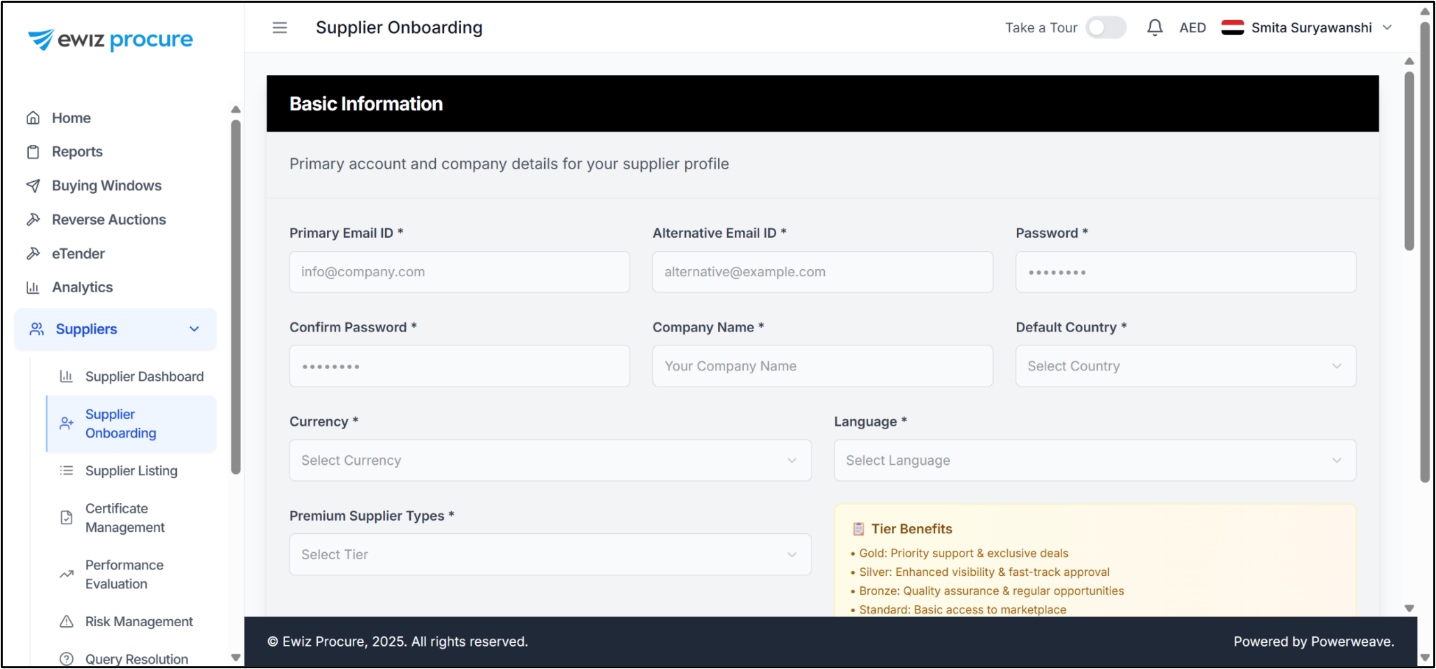
1. Data lineage. When the system flags a supplier risk, it must show what data source it used, when it accessed it, the specific claim, and what was unavailable (for example, “supplier did not disclose Scope 3 emissions”). Centralizing supplier submissions through a portal, rather than scattering them across email and shared drives, is what stops evidence going missing.
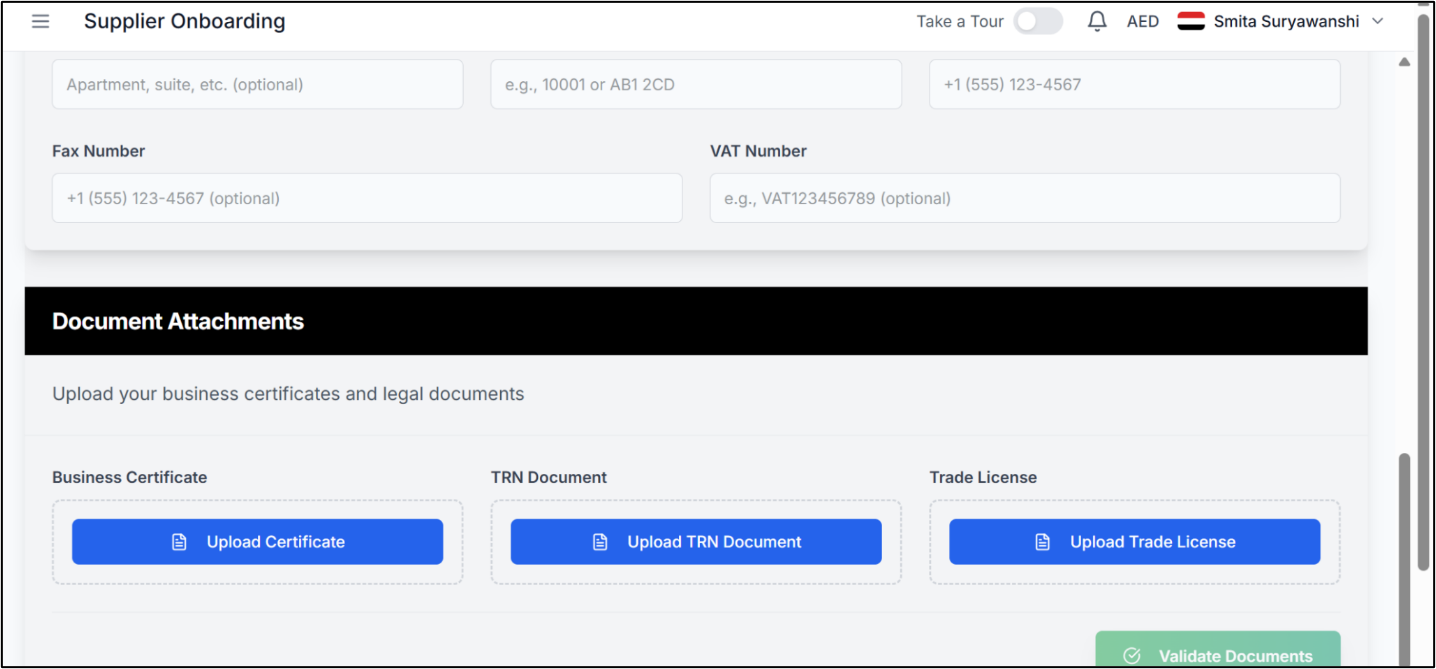
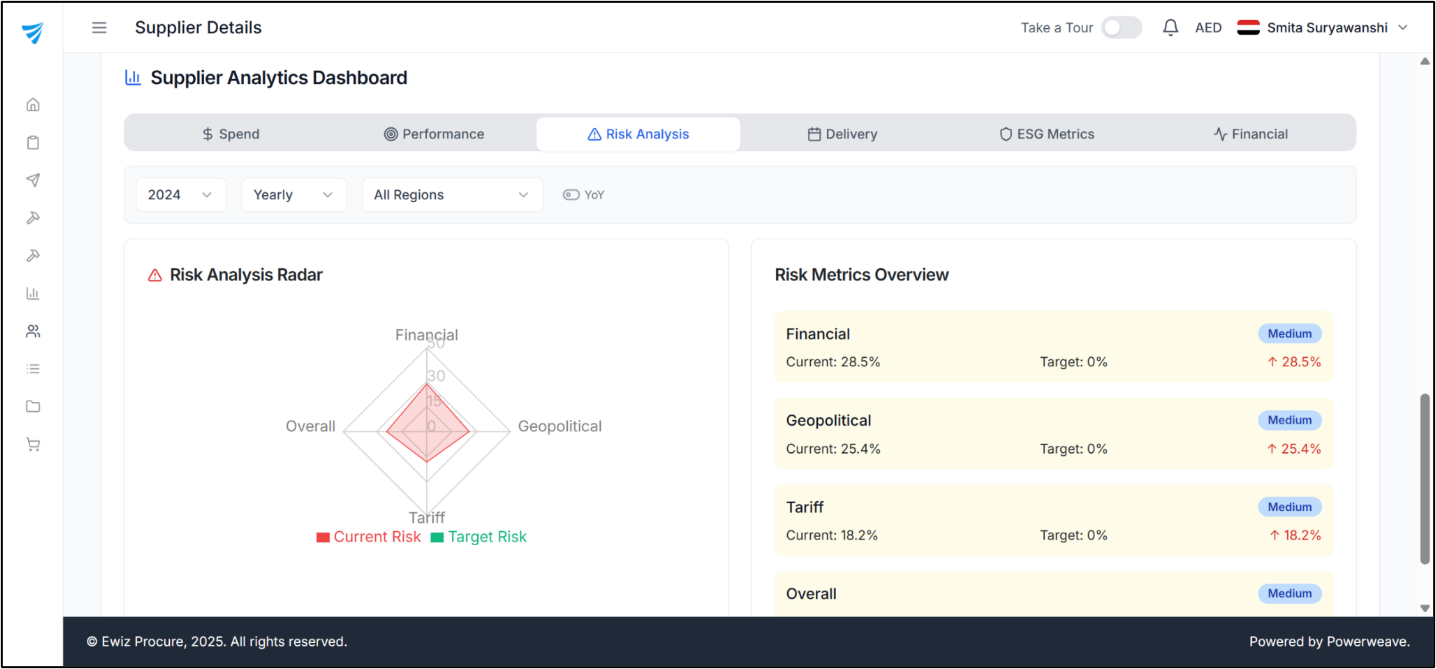
2. Contextual weighting. Not every evaluation should use identical criteria. Strategic sourcing for critical components needs different weighting than tail-spend commodities; high-ESG categories require different trade-offs than low-visibility indirect spend. Statutory and identity checks and financial risk signals belong inside the flow so decisions are weighted with the right context.
3. Decision-rationale capture. This is where most evaluations fail, because the rationale is written after the award. An audit-proof model records, at the time, why A won, why B lost, and what trade-offs (cost versus risk versus compliance) were accepted, keeping the logic and the human checkpoints together.
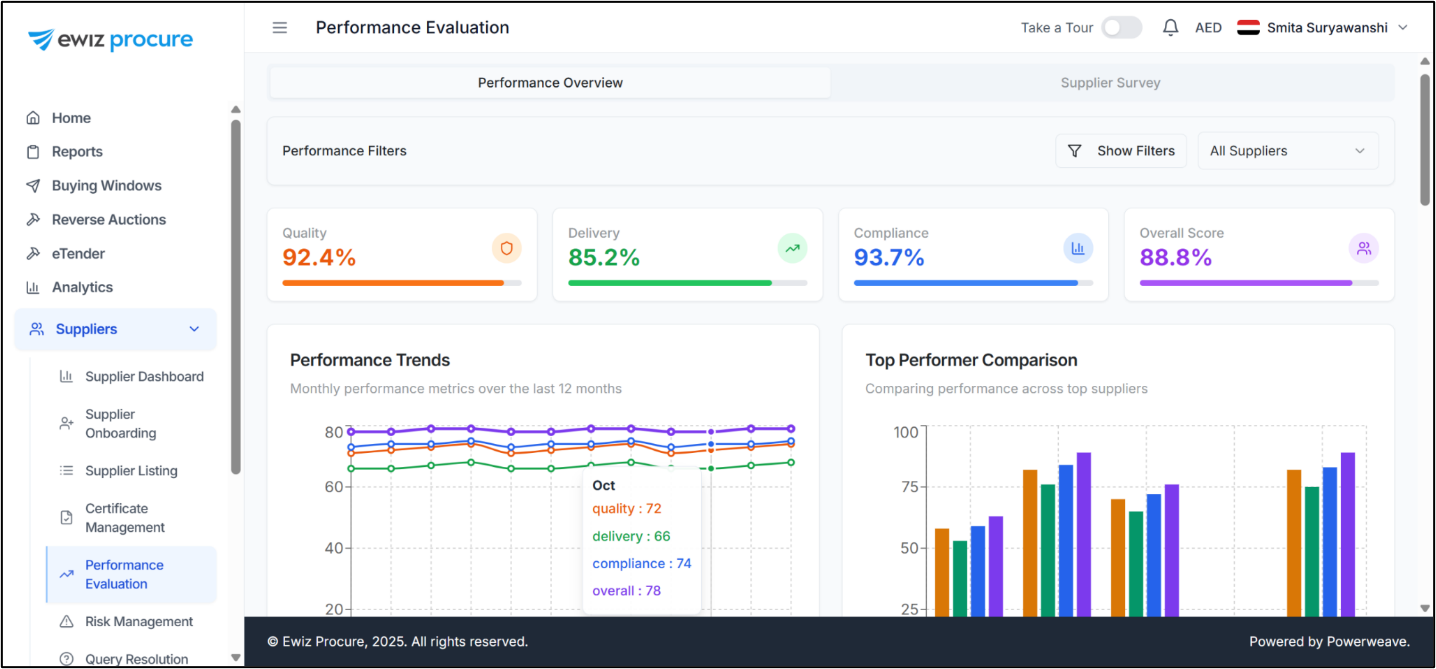
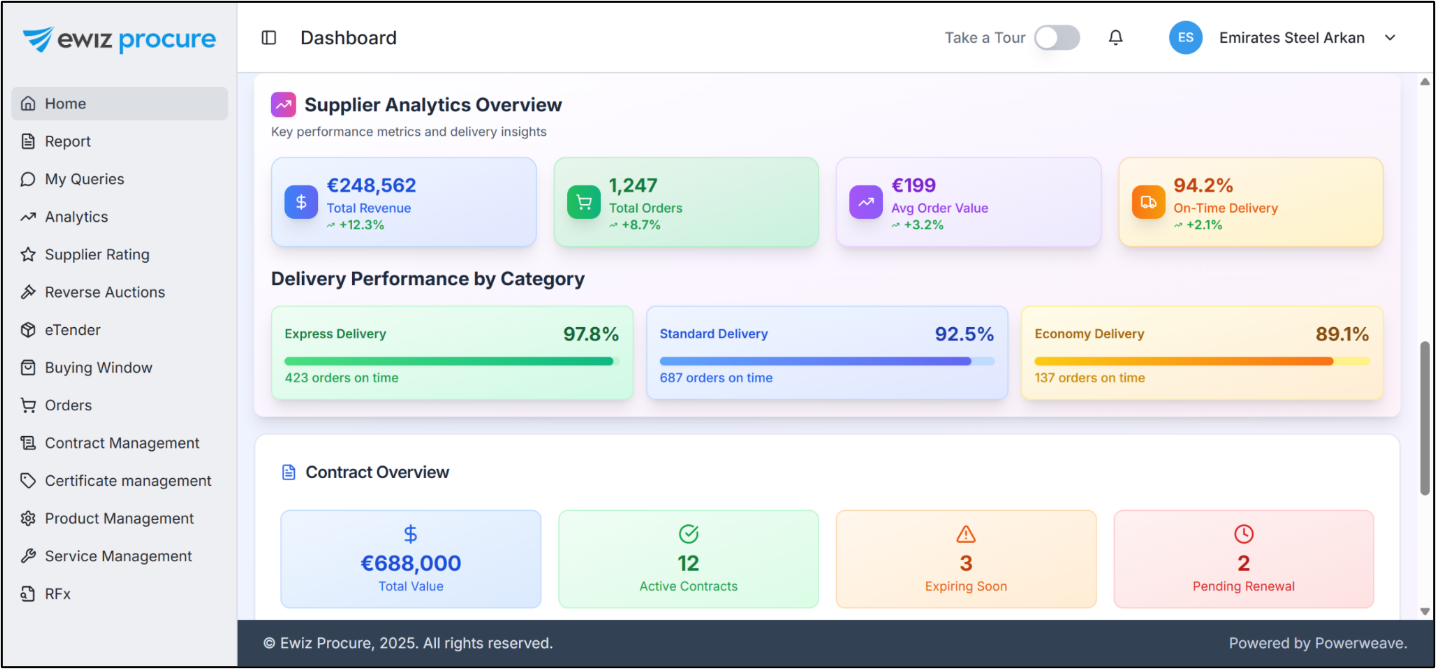
4. Replayability. Could someone unfamiliar with the deal recreate the decision two years later using only system records? That means complete evaluation criteria preserved, all inputs timestamped and sourced, weighting logic documented, decision narratives stored, and stakeholder approvals tracked, ideally surfaced through a single dashboard.
Where pilots fail, and the path that works
Despite the hype, most GenAI procurement pilots disappoint. They over-focus on chatbots for requisition help (pleasant, but they don’t improve decisions), autoscoring (faster, but black-box), and cycle-time metrics (speed without governance is just risk). They under-invest in data quality, governance design, risk-signal integration and training.
The gap shows up in the workforce too: around 75% of knowledge workers now use AI at work (Microsoft Work Trend Index), yet only about 35% of employees have had any formal AI training (IDC). Adoption is running ahead of readiness.
None of this requires ripping out your stack. The defensible path is modular, adopt what you need, integrate with what you already use, and scale when ready, with explainability and audit trails built into the decision rather than bolted on after. For finance and audit, that means awards that can be defended rather than merely reported; for the CPO, credibility that holds when a decision is questioned; for the sourcing team, an end to “we’ll justify it later.”
You can test where you stand today. Pick one supplier you awarded 12 to 18 months ago and ask your team to produce, within 48 hours, the evaluation rationale in plain language, the evidence pack, the approval chain, the trade-offs accepted, and a repayable view of the decision inputs. If it takes more than two days, your real risk is not slow evaluation. It is non-reconstruct able decisions.
No pitch decks, no generic demos. Just a direct conversation about where your integration stands and what it needs.
